Silvercosma
New Member
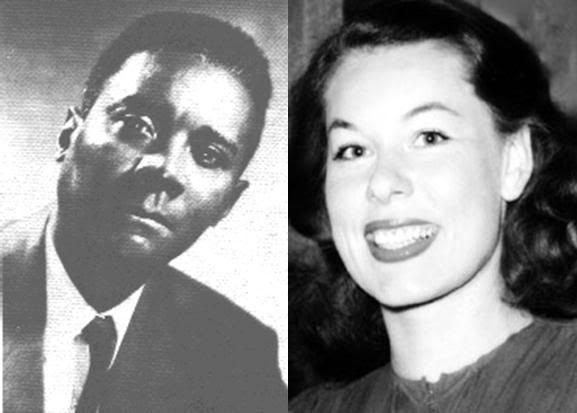
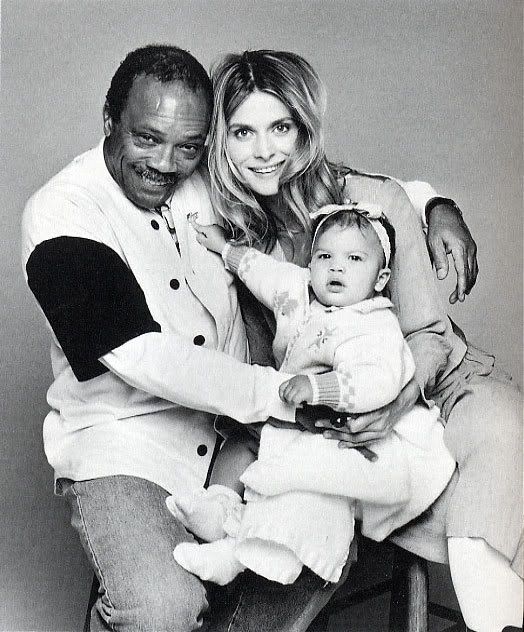
Dr Allan Aubrey Boesak and his wife Elna Botha


Reverend Allan Aubrey Boesak was president of the World Alliance of Reformed Churches (WARC) and a founder of the United Democratic Front (UDF), a leading antiapartheid movement in the 1980s.
During his college and seminary years he began to react against racial segregation and what he called 'ecclesiastical colonialism', the paternalistic and racist attitudes of the Reformed churches. He was a key member of the Broederkring, the 'Brothers' Circle' of Reformed clergy, which was dedicated to shaping the Reformed churches into an antiapartheid force. In 1981 he was elected as the first president of the Alliance of Black Reformed Christians, which rejected racism, asserted the right and duty of Christians to be involved in politics, and denied the divine institution of state. The following year, at an Ottawa, Canada, meeting of the WARC, he proposed a condemnation of apartheid as heretical to the Gospel and a betrayal of Reformed tradition. After its passage and his election as president of the WARC, the two white Reformed bodies in South Africa (which supported apartheid) were expelled from membership. The actions of the WARC struck at the heart of apartheid ideology, which was based on a biblical justification of racial separatism.
In 1983, Boesak called for the unity of all antiapartheid groups in South Africa to oppose the new constitution of President P. W. Botha, which established Indian and Coloured houses of parliament but excluded blacks. This exclusion led to the formation of the UDF, an umbrella group of more than 700 organizations that became the legal opposition during the period when African political organizations were banned. In 1984, Boesak was elected president of the South African Council of Churches (SACC). He was arrested in 1986 for demonstrating for the release of jailed African National Congress (ANC) leader Nelson Mandela but was released on bail. Charges were later dropped.
Boesak also became a tireless campaigner overseas against apartheid. A 1984 trip was instrumental in stiffening opposition to apartheid by the Australian government. He went to Zambia in 1985 to meet with Oliver Tambo, exiled head of the ANC, and Kenneth Kaunda, Zambia's president and leader of the Frontline States. In 1985 and 1986 he visited the United States, Switzerland, Thailand, and Sweden.
In 1986, Boesak, Naudé, and Bishop Desmond Tutu formed a delegation of church leaders to discuss with President Botha the violent protests in the African townships outside of South Africa's urban centers. Their discussions had no effect, and in 1988 the UDF was banned. The UDF then led demonstrations in a mass defiance campaign against the emergency regulations of 1989, but the election of F. W. De Klerk as state president that year opened doors to reform. The ANC and other groups were no longer banned, and Mandela and the ANC leadership were freed from prison. Just as these events took place, Boesak went into political eclipse after it was revealed that he was having an affair with a promiment white television producer, Elena Botha, the niece of a hard-line apartheid cabinet minister. Boesak was forced to resign from his church and as president of the WARC. He and his wife subsequently divorced, and he has married Elena Botha. He led the ANC in the 1994 elections in the Western Cape Province and emerged as leader of the opposition in the provincial legislature. Read more here
Reverend Allan Aubrey Boesak was president of the World Alliance of Reformed Churches (WARC) and a founder of the United Democratic Front (UDF), a leading antiapartheid movement in the 1980s.
During his college and seminary years he began to react against racial segregation and what he called 'ecclesiastical colonialism', the paternalistic and racist attitudes of the Reformed churches. He was a key member of the Broederkring, the 'Brothers' Circle' of Reformed clergy, which was dedicated to shaping the Reformed churches into an antiapartheid force. In 1981 he was elected as the first president of the Alliance of Black Reformed Christians, which rejected racism, asserted the right and duty of Christians to be involved in politics, and denied the divine institution of state. The following year, at an Ottawa, Canada, meeting of the WARC, he proposed a condemnation of apartheid as heretical to the Gospel and a betrayal of Reformed tradition. After its passage and his election as president of the WARC, the two white Reformed bodies in South Africa (which supported apartheid) were expelled from membership. The actions of the WARC struck at the heart of apartheid ideology, which was based on a biblical justification of racial separatism.
In 1983, Boesak called for the unity of all antiapartheid groups in South Africa to oppose the new constitution of President P. W. Botha, which established Indian and Coloured houses of parliament but excluded blacks. This exclusion led to the formation of the UDF, an umbrella group of more than 700 organizations that became the legal opposition during the period when African political organizations were banned. In 1984, Boesak was elected president of the South African Council of Churches (SACC). He was arrested in 1986 for demonstrating for the release of jailed African National Congress (ANC) leader Nelson Mandela but was released on bail. Charges were later dropped.
Boesak also became a tireless campaigner overseas against apartheid. A 1984 trip was instrumental in stiffening opposition to apartheid by the Australian government. He went to Zambia in 1985 to meet with Oliver Tambo, exiled head of the ANC, and Kenneth Kaunda, Zambia's president and leader of the Frontline States. In 1985 and 1986 he visited the United States, Switzerland, Thailand, and Sweden.
In 1986, Boesak, Naudé, and Bishop Desmond Tutu formed a delegation of church leaders to discuss with President Botha the violent protests in the African townships outside of South Africa's urban centers. Their discussions had no effect, and in 1988 the UDF was banned. The UDF then led demonstrations in a mass defiance campaign against the emergency regulations of 1989, but the election of F. W. De Klerk as state president that year opened doors to reform. The ANC and other groups were no longer banned, and Mandela and the ANC leadership were freed from prison. Just as these events took place, Boesak went into political eclipse after it was revealed that he was having an affair with a promiment white television producer, Elena Botha, the niece of a hard-line apartheid cabinet minister. Boesak was forced to resign from his church and as president of the WARC. He and his wife subsequently divorced, and he has married Elena Botha. He led the ANC in the 1994 elections in the Western Cape Province and emerged as leader of the opposition in the provincial legislature. Read more here


 Please do so as I'm sure others are enjoying them as well. :wink:
  It's somewhat of a hobby of mine since I joined this site. 8)